Therian: Identity, Trend, or Public Debate? Unpacking the Phenomenon
In recent years, a fascinating and often misunderstood phenomenon has captured the attention of millions across social media platforms like TikTok and Instagram: the Therian identity. What exactly is a Therian? The question, often posed as "Que Es Therian" by curious internet users, delves into a complex tapestry of self-identification, historical roots, digital virality, and intense public discussion. Is it a deeply held personal truth, a fleeting online trend, or a new frontier in the ongoing conversation about identity and self-expression? This article aims to unpack the multifaceted nature of the Therian phenomenon, exploring its origins, its manifestations, and the societal discourse it has ignited.
What Exactly is a Therian? Unpacking the Core Identity
At its heart, the term "Therian" defines individuals who experience a profound, involuntary, and internal identification with a specific animal. This isn't merely a fondness for animals, an admiration of their characteristics, or a casual preference for animal-themed aesthetics. Instead, Therians describe their connection as an intrinsic part of their personal identity – often described as psychological, spiritual, or instinctual in nature. The specific animal with which a person identifies is known as their "theriotype," which can range from common creatures like wolves, foxes, and cats to more exotic or even mythical beasts.
The concept of therianthropy, from which "Therian" is derived, has ancient roots. The word itself is formed from the Greek terms "therion" (beast) and "anthropos" (human being), echoing mythological tales of humans transforming into animals or possessing animalistic qualities. However, the modern understanding of Therian identity, as we know it today, emerged much later. It's crucial to understand that for those who identify as Therian, this isn't a choice or a costume. They genuinely feel an inherent, unchangeable part of themselves resonating with the spirit or essence of their theriotype. This internal experience is central to their self-perception, distinguishing it significantly from role-playing or simple cosplay.
From Digital Forums to Viral Feeds: The Evolution of the Therian Community
While the recent explosion of Therian content on platforms like TikTok might suggest a brand-new phenomenon, its origins stretch back to the early 1990s. It was in the nascent days of the internet, within digital forums and online communities, that individuals began to share their unique internal experiences of animal identification. These early online spaces provided a crucial platform for people who felt different to connect, validate their feelings, and build a collective understanding of what it meant to be Therian.
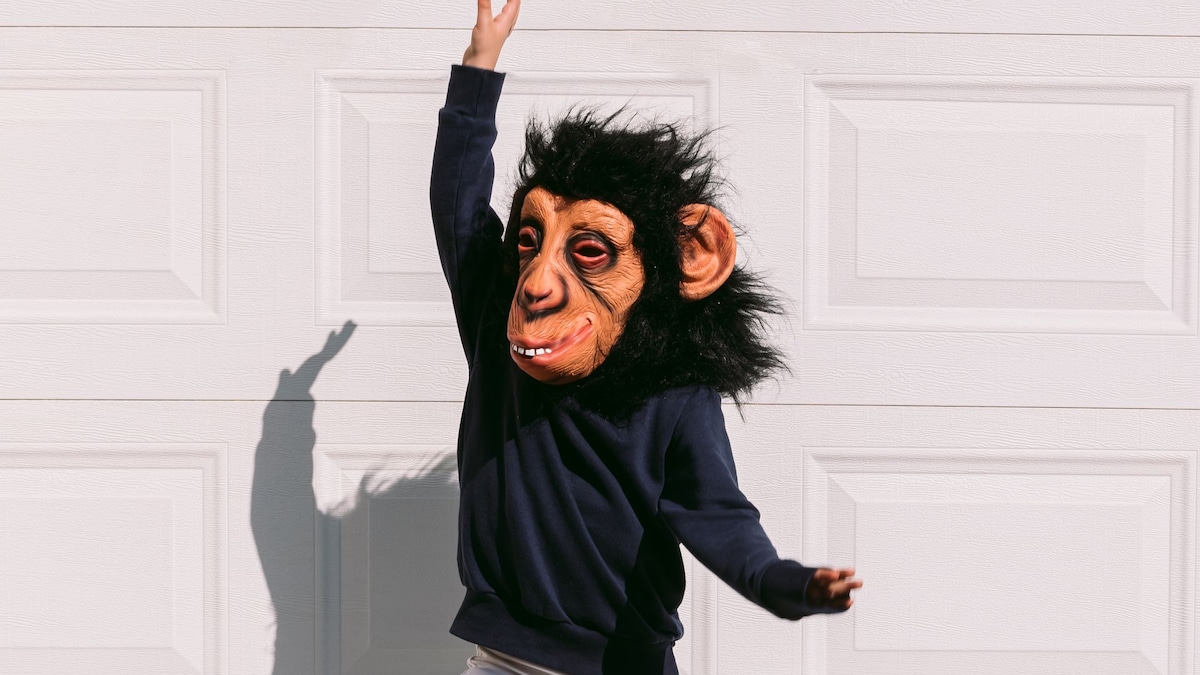
The transition from text-based forums to highly visual social media platforms marked a pivotal turning point. With the rise of YouTube, Instagram, and especially TikTok, the Therian community found a powerful new way to express and share their identity. Videos featuring young people engaging in "quadrobics" – running, jumping, and moving on all fours, mimicking the natural gait and behavior of their theriotype – quickly went viral. Accompanied by masks, tails, gloves, and other animalistic accessories, these visual expressions amplified the phenomenon, drawing millions of views and sparking widespread curiosity.
Quadrobics, a practice central to many Therians' expression, involves physical movements designed to emulate their animal counterparts. It's a way for them to connect with their theriotype on a physical level, often described as liberating and empowering. This visible aspect, however, also became the primary lens through which the wider public encountered the Therian identity, leading to both fascination and confusion. For a deeper dive into the practices and origins, you can read more at
Therian Explained: The Viral Animal Identity Phenomenon.
Identity vs. Trend: Navigating Authenticity in the Digital Age
The rapid popularization of the Therian phenomenon on social media has inevitably blurred the lines between genuine identity and emerging digital trends. This is perhaps the most contentious aspect of the public debate surrounding Therians. Those who deeply identify as Therian often stress that their experience is not a performance or a temporary fad. They view their physical manifestations – such as quadrobics or wearing accessories – as authentic expressions of an internal truth, akin to how someone might express another facet of their identity.
However, the nature of viral content often means that aesthetics and surface-level replication can take precedence over deeper understanding. This presents a challenge: how does one distinguish between individuals who genuinely experience an involuntary identification and those who are drawn to the aesthetic and community as part of a social media trend or a phase of identity exploration? This question is not only posed by outsiders but is also a subject of internal discussion within the Therian community itself. The visual appeal of masks, tails, and dynamic quadrobics videos makes it easy for the outward appearance to be replicated without necessarily sharing the underlying internal experience. This dynamic can lead to misunderstanding, trivialization of genuine identities, and even accusations of "faking" the identity for views or social capital. It highlights the complex relationship between personal identity, self-expression, and the performative aspects inherent in digital platforms.
The Public Reaction: Debate, Acceptance, and Social Coexistence
The increasing visibility of Therians, particularly in public spaces, has triggered a wide spectrum of reactions, moving the conversation beyond mere online curiosity. While many users defend the right to self-expression and identity exploration, embracing the diversity that Therians represent, others voice concerns and skepticism. The debate isn't confined to internet comment sections; it has manifested in real-world scenarios.
In some cities, the sight of young people practicing quadrobics in parks or public areas has led to broader societal discussions. Questions arise about how such practices fit into shared public spaces, concerns about safety, potential disruptions, or even simply discomfort due to unfamiliarity. These reactions often stem from a lack of understanding of what "Que Es Therian" truly means and what motivates these individuals.
The public's mixed response underscores a larger societal challenge: how do we accommodate and understand evolving forms of identity and self-expression, especially when they challenge conventional norms? While some see it as an interesting subculture akin to furries (though Therians emphasize crucial differences), others find it bewildering or even unsettling. This brings up important dialogues about tolerance, empathy, and the boundaries of acceptable public behavior, pushing communities to grapple with new definitions of what it means to coexist in an increasingly diverse and expressive world. For more on these distinctions and expressions, you can explore
What Are Therians? Origins, Quadrobics, and Viral Expression.
Navigating the Nuances: Understanding and Respecting the Therian Phenomenon
To truly understand the Therian phenomenon, it's essential to approach it with an open mind, recognizing the distinction between genuine internal identity and outward aesthetic expression. For those seeking to learn more, here are some practical tips:
* **Educate Yourself:** The best way to move past confusion is to seek out reputable information from within the Therian community itself. Many Therians actively share their experiences and answer questions respectfully.
* **Differentiate Identity from Behavior:** While quadrobics and animalistic accessories are visible aspects, they are expressions of identity, not the identity itself. Focus on the internal experience Therians describe.
* **Respect Diverse Identities:** Regardless of personal understanding or agreement, respecting an individual's self-identified identity is a cornerstone of a civil and inclusive society.
* **Consider the Context of Public Spaces:** The debate around Therians in public spaces mirrors other discussions about subcultures and diverse groups. Open dialogue about shared space and mutual respect is key.
* **Avoid Stereotypes:** The viral nature of content can lead to oversimplification. Remember that Therians are diverse individuals with varied experiences, not a monolithic group.
The Therian phenomenon serves as a powerful reminder of the complexity of human identity and the ever-evolving ways in which individuals seek to understand and express themselves.
Conclusion
The question "Que Es Therian?" opens a door not just to a unique form of identity, but to broader discussions about the nature of self, the influence of digital culture, and the challenges of societal acceptance. What began in niche online forums has blossomed into a global conversation, prompting us to consider the fluid boundaries between personal truth, viral trends, and public discourse. Whether viewed as a profound identity, an intriguing subculture, or a subject of public debate, the Therian phenomenon compels us to reflect on empathy, understanding, and the ongoing journey of human expression in an increasingly interconnected world.