Therian Explained: Understanding the Viral Animal Identity Phenomenon
Have you scrolled through TikTok or Instagram recently and encountered captivating videos of young people moving with animalistic grace, perhaps wearing masks, tails, or ears? You're not alone. This is the world of Therians, a fascinating and increasingly visible subculture that has gone from niche online forums to a global viral sensation. But what exactly is a Therian, and why has this phenomenon sparked such widespread curiosity and debate? If you've been wondering, "Que Es Therian?" you've come to the right place to delve deeper into this unique form of identity and expression.
Delving into "Que Es Therian": A Deep Identification
At its core, a Therian is an individual who experiences a profound, involuntary identification with a non-human animal. This isn't merely a hobby, an admiration for animals, or a costume choice. For Therians, this connection is an intrinsic part of their personal identity, often described as psychological, spiritual, or instinctual. They don't believe they *are* literally animals in a physical sense, but rather that their internal self, their "soul" or their psyche, resonates deeply with a particular species. This specific animal is referred to as their "theriotype."
The variety of theriotypes is as diverse as the animal kingdom itself, ranging from common mammals like wolves, foxes, and cats, to birds, reptiles, and even mythical creatures in some related communities. This identification is not chosen; it’s discovered through introspection and self-awareness, often manifesting as urges, instincts, phantom limbs (feeling the presence of animal limbs), or a sense of "wrongness" in their human form. Understanding Que Es Therian requires moving beyond surface-level observations and appreciating the deeply personal and internal nature of this identity.
The Roots of Therianthropy: From Ancient Myths to Digital Communities
While the current viral explosion might make Therianthropy seem like a brand-new concept, its roots stretch back further than you might imagine. The term "therianthropy" itself is derived from ancient Greek words: "therion" (beast) and "anthrōpos" (human), literally meaning "beast-human." The concept of humans transforming into or embodying animals has been a recurring motif in mythology, folklore, and spiritual traditions across countless cultures for millennia. Werewolves, shapeshifters, and animalistic deities are just a few examples of this enduring fascination with the boundary between human and beast.
The modern understanding of Therianthropy, however, truly began to coalesce in the early 1990s. It wasn't in public parks or viral videos, but in the nascent world of online forums, Usenet groups, and digital communities. Individuals who felt this inexplicable connection to animals found a space to share their experiences, validate each other's feelings, and develop a shared vocabulary. It was in these early digital spaces that terms like "therian," "theriotype," and "quadrobics" were forged, building a foundation for the subculture we see today. The internet provided the essential platform for those who felt different to find their tribe, long before the mainstream media caught on to the question of "Que Es Therian?"
For a deeper dive into how this identity has evolved and the nuances of its public perception, you might find Therian: Identity, Trend, or Public Debate? Unpacking the Phenomenon to be an insightful read.
Quadrobics and Visual Expression: More Than Just a Trend?
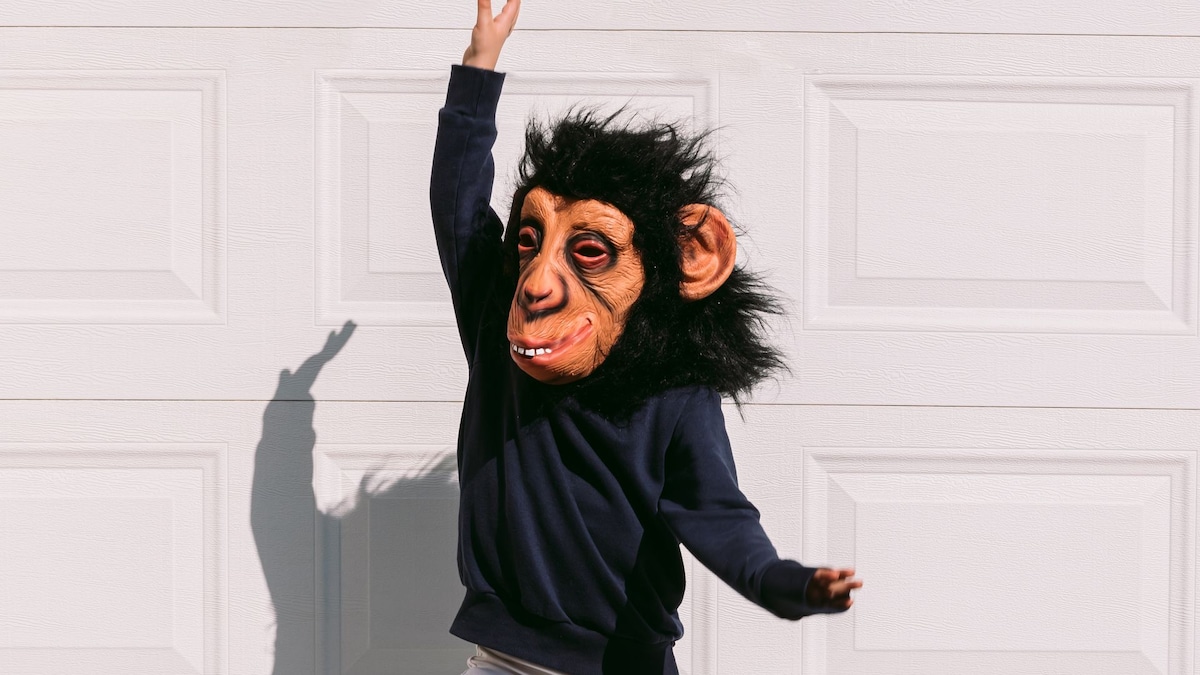
One of the most visually striking aspects of the Therian phenomenon, especially on social media, is the practice of "quadrobics." This involves adopting animal-like movements, such as running, jumping, and moving on all fours, mimicking the natural behaviors of their theriotype. Alongside quadrobics, many Therians use physical accessories like realistic masks, faux fur tails, gloves that resemble paws, and animal-ear headbands to visually express their internal identity. These elements are what often catch the eye and contribute significantly to the phenomenon's virality on platforms like TikTok and Instagram.
The combination of genuine identity exploration and amplified virality on social media has, however, created a complex dynamic. For those outside the community, it can be challenging to distinguish between individuals who genuinely experience a Therian identity and those who might be replicating the aesthetic as part of a digital trend or for entertainment. Therians themselves emphasize that their practices are not a performance or a theatrical act, but rather a vital form of self-expression that helps them connect with their authentic selves. The visual aspect, while a powerful tool for self-expression and community building, sometimes overshadows the deeply internal experience for newcomers asking "Que Es Therian?"
To learn more about these practices and the origins of the movement, consider reading What Are Therians? Origins, Quadrobics, and Viral Expression.
Navigating the Therian Phenomenon: Understanding and Coexistence
The increasing visibility of Therians, particularly in public spaces, has inevitably led to a mixed bag of reactions. On one hand, many users, especially younger generations, champion the right to self-expression and the exploration of identity in all its forms. They see Therians as embodying individuality and challenging societal norms.
On the other hand, the appearance of young people practicing quadrobics or wearing animal accessories in public parks, schools, or other shared environments has also sparked questions and, at times, discomfort. Concerns often revolve around social etiquette, appropriate public behavior, and the challenge of understanding a form of identity that falls outside traditional definitions. This has shifted the conversation from purely online forums into the broader social sphere, igniting debates about tolerance, respect, and how diverse expressions of identity can coexist harmoniously in shared spaces.
For those encountering Therians, whether online or in person, fostering an environment of understanding is key. Instead of immediate judgment, consider approaching the phenomenon with curiosity and an open mind. Recognize that for many, this is a sincere and significant aspect of who they are. Education and dialogue can bridge gaps in understanding, helping to demystify "Que Es Therian" and promote respectful coexistence. Promoting acceptance doesn't necessarily mean agreement, but rather acknowledging the validity of another person's lived experience and their right to peaceful self-expression.
Conclusion
The Therian phenomenon, with its blend of ancient mythological echoes, deep personal identification, and modern viral spread, represents a compelling facet of contemporary identity exploration. From its quiet origins in 1990s digital forums to its current explosion on TikTok, Therians challenge traditional notions of self and expression. For those asking "Que Es Therian?" it's crucial to look beyond the captivating visuals and recognize the profound, involuntary self-identification that defines this subculture. As society continues to grapple with increasingly diverse forms of identity, understanding and respectful dialogue will be paramount in navigating phenomena like Therianthropy, fostering a more inclusive and empathetic world.